About Tracy's Kenpo Legacy
What is Kenpo Karate?
Kenpo Karate is a martial art focused on practical self-defense. It combines strikes, kicks, blocks, and flowing movement to teach you how to respond to attacks such as grabs, holds, and punches. Each technique connects one movement to the next, emphasizing timing, positioning, and control.
At Tracy’s Kenpo Legacy, we teach the traditional Tracy system through clear, step-by-step instruction. Training begins with foundational techniques and builds as your understanding develops, helping you strengthen your coordination, focus, and confidence through practice. Whether you’re new to martial arts or returning to training, Kenpo offers a structured path to develop your skills and deepen your understanding of the art.
HISTORY
James Ibrao & James Wing Woo
A Bridge Between Early Kenpo and the Chinese Martial Arts
The history of Kenpo in America cannot be understood solely through the development of techniques, ranks, and organizations. It is also the story of martial artists from different traditions meeting, exchanging knowledge, experimenting with ideas, and influencing one another during a remarkable period of martial arts development in California.
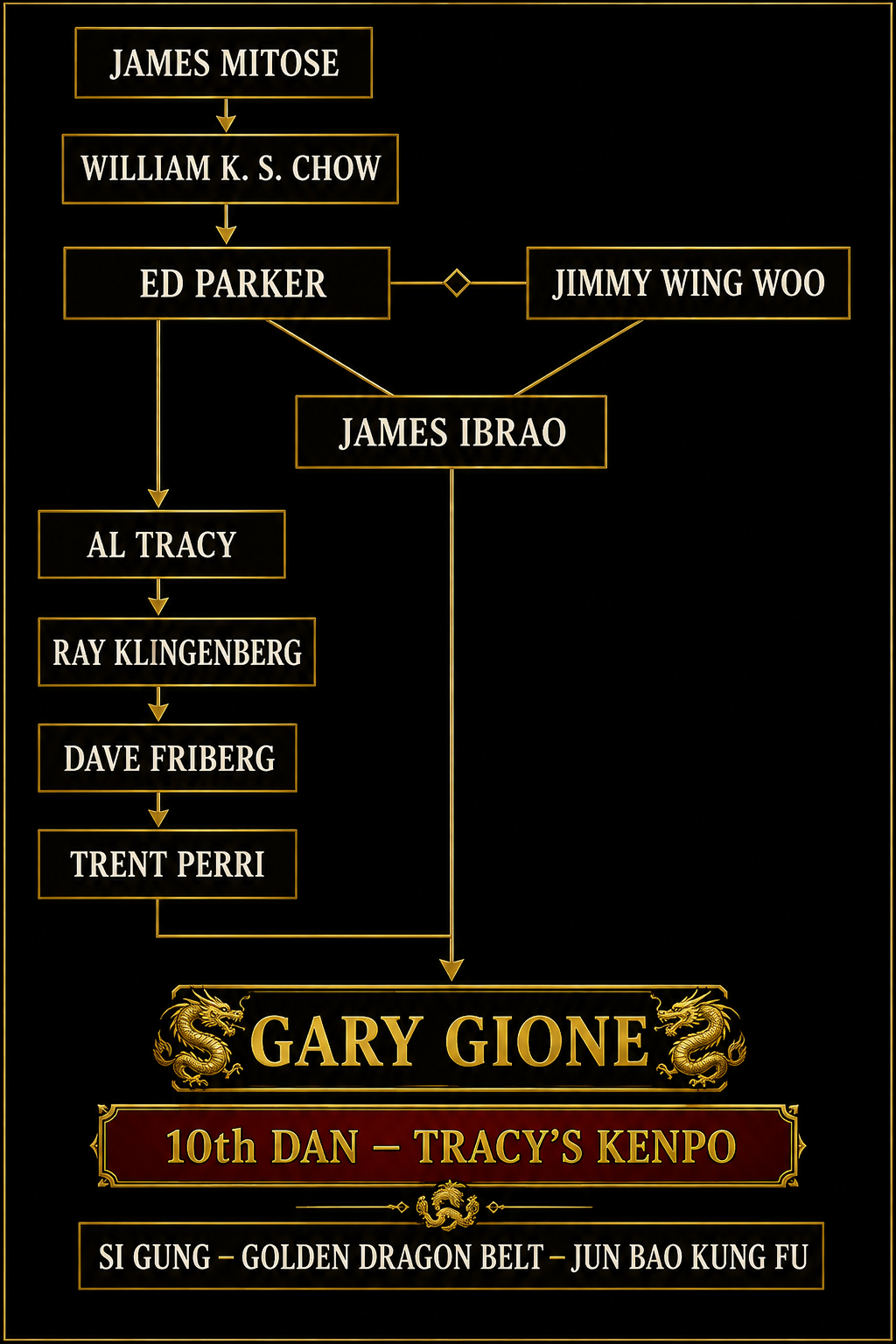
Two men who played an important role in that history were Sei Tai Gung James “Jimmy” Ibrao and Senior Sei Tai Gung James “Jimmy” Wing Woo.
Their relationship provides an important connection between the early Kenpo of Ed Parker and the traditional Chinese martial arts that were beginning to emerge more openly in the United States during the late 1950s and early 1960s.
Their influence may also help explain the development of some of the forms that became part of early Kenpo. In addition to the form commonly known as Book Set or Panther Set, some historical accounts and traditions attribute the development or significant influence of Short Forms 1, 2, and 3 and Long Forms 1, 2, and 3 to Woo and Ibrao.
Because the precise authorship of several early Kenpo forms remains debated, these claims should be considered within the larger historical context of collaboration and exchange taking place during this formative period.
Sei Tai Gung James Ibrao
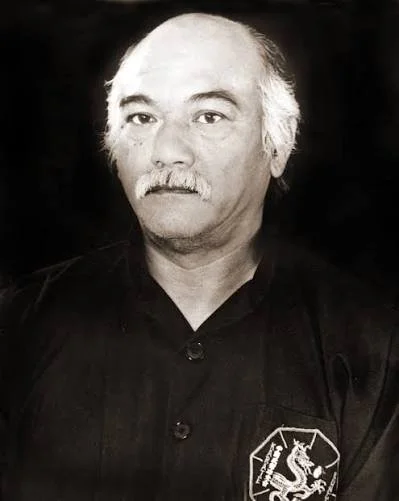
Born in Hawaii in 1937, James Ibrao moved to the mainland and encountered Ed Parker's Kenpo in California during the 1950s.
According to the history maintained by Ibrao's Jun Bao Gung Fu organization, he began studying with Ed Parker in 1956 and became Parker's first black belt.
Ibrao was known as an exceptionally gifted athlete and martial artist. He trained during a formative period when Parker's Kenpo was still evolving and when techniques, sets, training methods, and forms were being developed and refined.
This was a particularly important period in American martial arts history. The boundaries separating martial arts systems were often less rigid than they would later become. Practitioners investigated different methods, exchanged ideas, and incorporated concepts they found useful.
Ibrao stood directly within that environment.
His martial arts journey, however, would eventually extend well beyond Kenpo.
An important turning point came through his relationship with James Wing Woo.
Senior Sei Tai Gung James Wing Woo
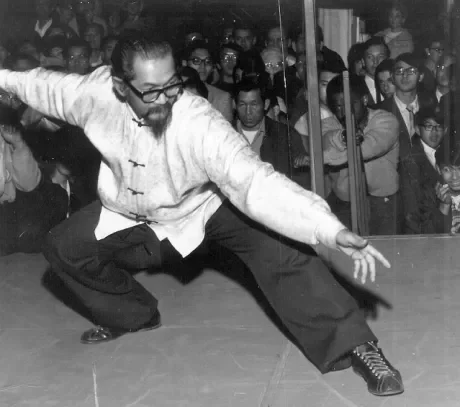
James Wing Woo was born in California in 1922 but spent much of his childhood in Canton, China.
While growing up in China, Woo was exposed to Tai Chi and other traditional Chinese martial arts. He returned to the United States as a teenager in 1938 and eventually continued his martial arts studies and practice in California.
By the 1950s, Woo was practicing Tai Chi and interacting with members of the San Francisco Chinese martial arts community, including individuals associated with noted Chinese martial arts teacher Lau Bun.
In the summer of 1960, Woo traveled to Southern California and became involved with a prominent Kenpo instructor in Pasadena. Woo's own biography does not identify the instructor by name, although Kenpo historical accounts identify him as Ed Parker.
Woo assisted with material associated with a book on Chinese martial arts and began working with advanced students.
Woo later recalled that these students were extremely fast, but that he wanted them to slow their movements down, develop greater control and understanding of their movement, and spend more time practicing forms.
This interaction was significant.
It brought principles and training methods associated with traditional Chinese martial arts directly into the environment in which early American Kenpo was developing.
The Ibrao-Woo Connection
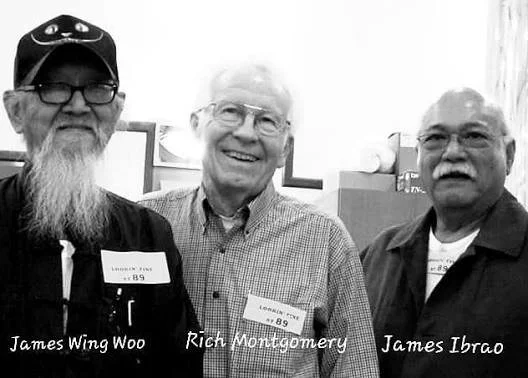
According to the history maintained by Ibrao's organization, James Ibrao accompanied Ed Parker on a trip to San Francisco around 1960, where they observed Chinese martial artists and were particularly impressed by James Wing Woo.
Woo subsequently came to Southern California and became involved with Parker and some of his senior students.
For Ibrao, however, the encounter with Woo developed into something much more significant than a brief exchange of martial arts information.
Following his beginnings in Kenpo, Ibrao continued studying Chinese martial arts with Woo. The Jun Bao Gung Fu organization dates their relationship to approximately 1962 and describes Ibrao as continuing his studies with Woo for decades.
Woo therefore became one of the most important influences on the next stage of Ibrao's martial development.
Their teacher-student relationship would ultimately continue for more than half a century.
Book Set — Panther Set
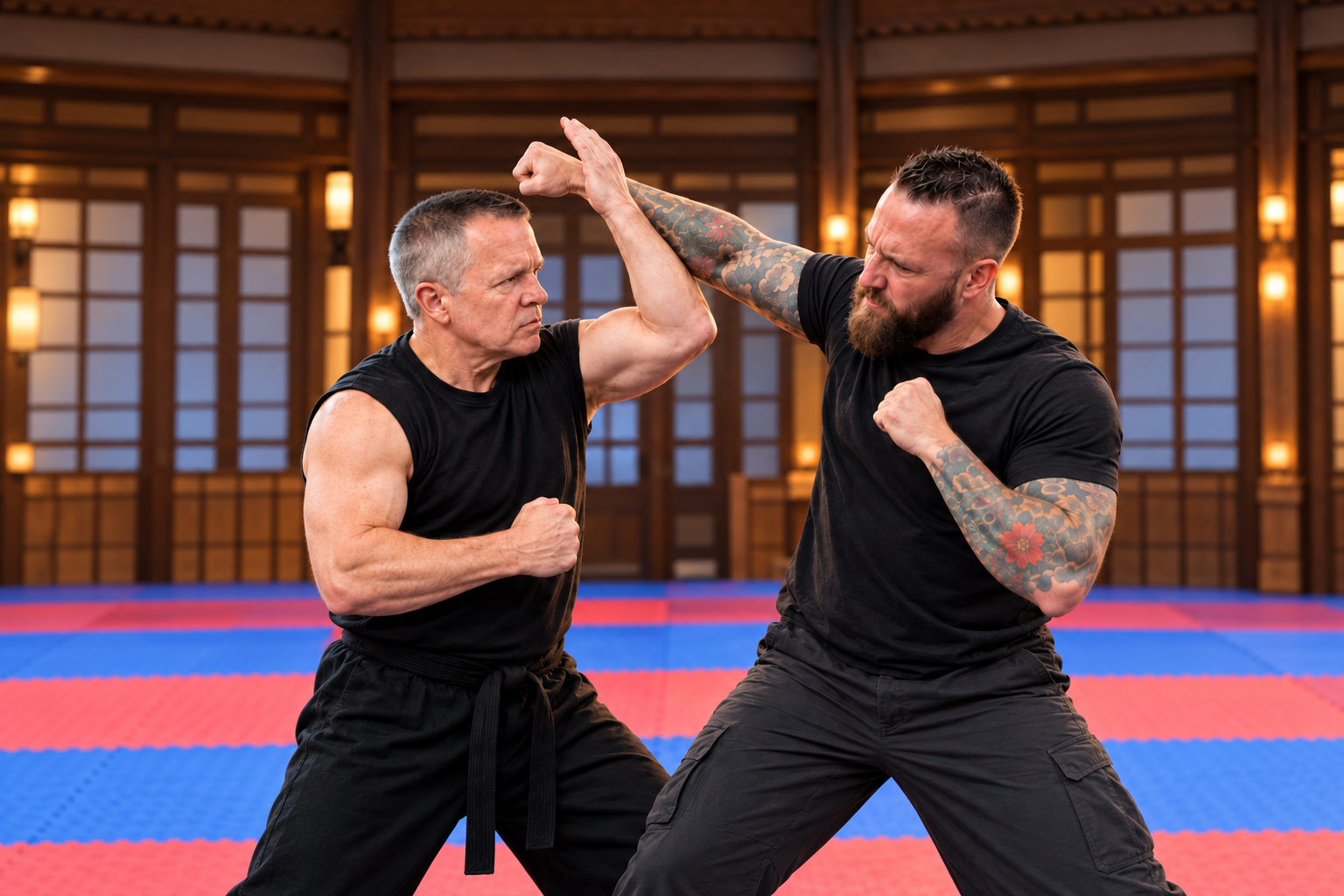
One of the most interesting connections between Woo, Ibrao, and early Kenpo involves the form commonly known as Book Set, also called Panther Set in some Kenpo traditions.
Historical accounts differ regarding certain details of the form's precise origin and development. However, the connection between Woo and Ibrao is particularly significant.
In an account preserved within Tracy's Kenpo historical material, Ibrao stated that James Wing Woo personally taught the form to him and that Ibrao subsequently became responsible for teaching it to other students and instructors.
The name Book Set has traditionally been associated with the intention of including the form in Parker's Secrets of Chinese Karate. The form ultimately did not appear in the published book.
Regardless of disagreements surrounding some details of its creation, Woo's involvement with the form and Ibrao's role in transmitting it provide an important example of Chinese martial arts material entering the early Kenpo community.
Other Early Kenpo Forms
The possible influence of Woo and Ibrao extends beyond Book Set.
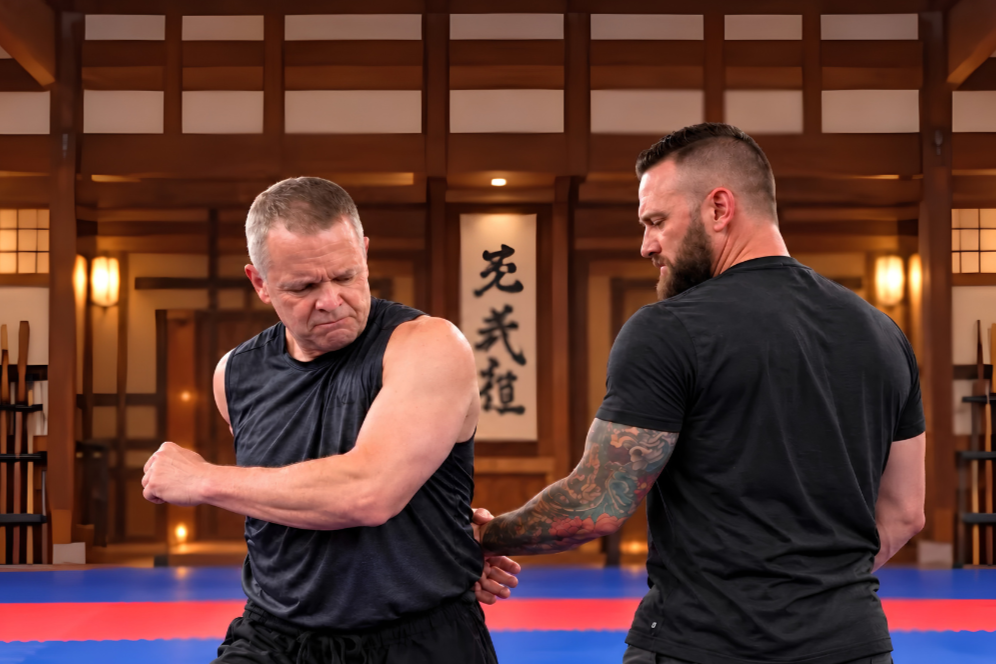
It is believed within some Kenpo historical accounts and traditions that Short Forms 1, 2, and 3 and Long Forms 1, 2, and 3 were also developed, created, or significantly influenced by James Wing Woo and James Ibrao during this formative period.
These forms demonstrate an increasing emphasis on structured movement, stance development, balance, transitions, coordination, and continuous movement — concepts that were also central to the traditional Chinese martial arts being explored by these practitioners.
The exact authorship of individual early Kenpo forms remains a matter of historical discussion. Martial arts development during this period was frequently collaborative, and techniques and forms could evolve as different instructors contributed ideas and refinements.
For that reason, it is difficult to assign unquestioned authorship to every early form.
Nevertheless, the involvement of Woo and Ibrao in the development, refinement, teaching, and transmission of forms during this period represents an important part of the history of early Kenpo and deserves recognition.
From Kenpo to Chinese Martial Arts
Ibrao's relationship with Woo continued long after the early Parker period.
According to Ibrao's martial arts organization, he studied Kung Fu and Tai Chi with Woo for more than five decades.
His studies eventually encompassed material associated with Hung Gar, Northern Long Fist, Seven Star Praying Mantis, and Yang-style Tai Chi.
Ibrao ultimately developed and taught his own system, Jun Bao Gung Fu.
The name itself provides a particularly personal reminder of the relationship between the two men. According to the Jun Bao organization, “Jun Bao” was the Chinese name given to James Ibrao by James Wing Woo.
Ibrao continued teaching until his death in 2020 at the age of 83.
Woo had died six years earlier, in 2014, at the age of 92, following more than half a century of teaching and practicing martial arts.
Their relationship therefore extended far beyond the early Kenpo years.
It became a lifelong martial arts connection.
A Remarkable Period in Kenpo History
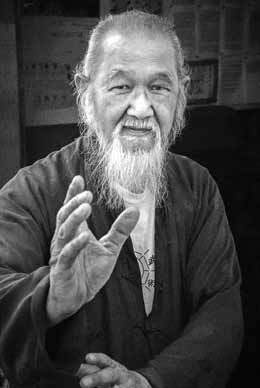
The Woo-Ibrao relationship is particularly important because it illustrates how fluid and interconnected the American martial arts world was during the late 1950s and early 1960s.
Kenpo practitioners were not operating in isolation.
Japanese, Okinawan, Hawaiian, Chinese, and other martial traditions were being explored and compared. Teachers exchanged ideas. Students crossed stylistic boundaries. Techniques were examined and modified. Forms and training methods continued to evolve.
James Wing Woo brought extensive experience in Chinese martial arts into an environment populated by some of Ed Parker's most advanced students.
James Ibrao stood directly inside that environment.
He began as one of Parker's pioneering Kenpo practitioners and subsequently became a longtime student of Woo.
In that sense, Ibrao became a living bridge between two important chapters of American martial arts history — the emerging American Kenpo movement and the traditional Chinese martial arts being taught in California.
The Connection to Tracy's Kenpo
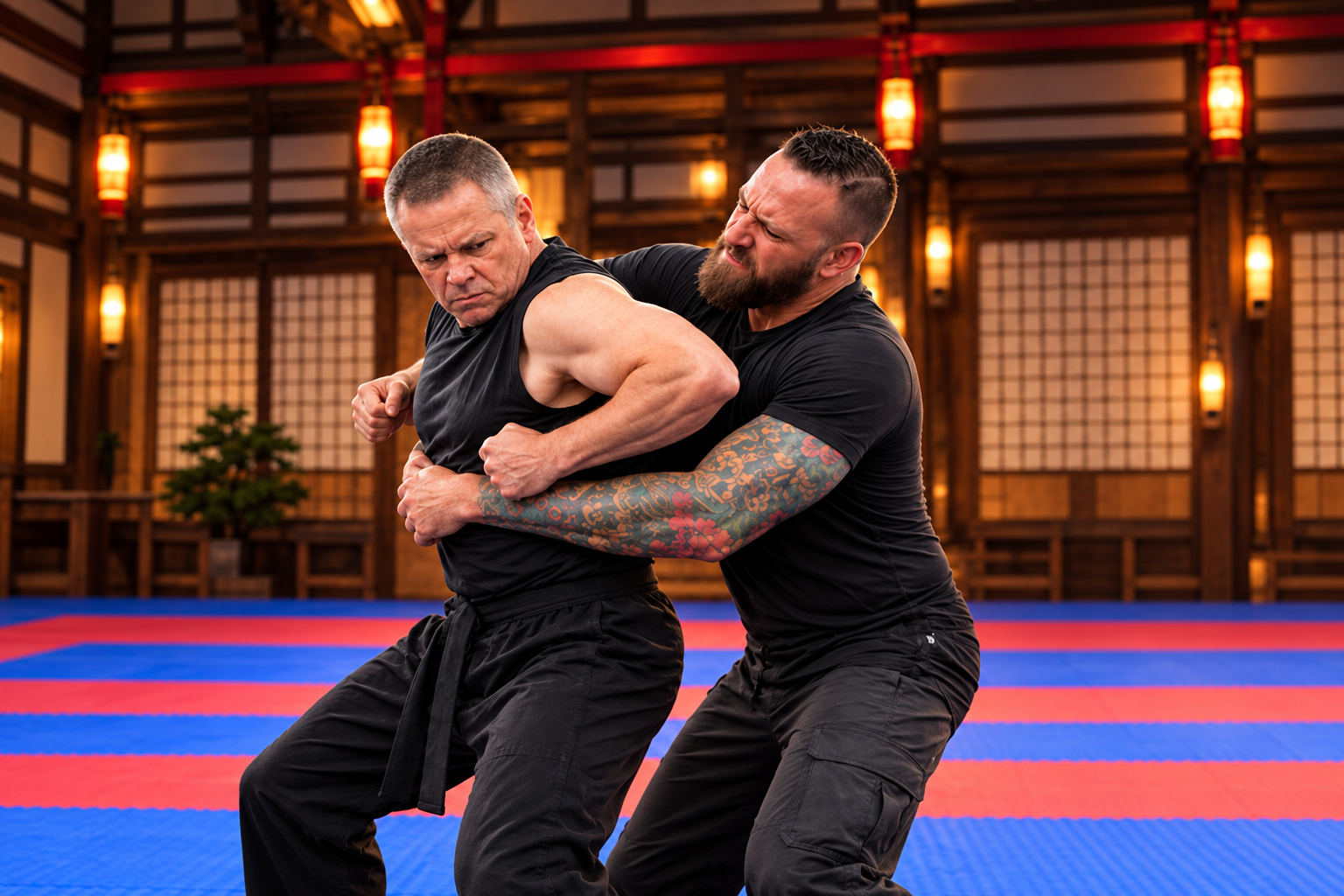
This history is particularly relevant to Tracy's Kenpo because Al and Jim Tracy were part of the same early California Kenpo environment in which Parker, Ibrao, Woo, and other pioneering martial artists were interacting.
Tracy historical sources preserve Ibrao's account of learning Book Set directly from Woo, and versions of this material became part of the broader body of forms preserved within the Tracy tradition.
Some details surrounding precisely who created, modified, or contributed to individual early Kenpo forms remain debated among historians and practitioners.
Those questions should be acknowledged rather than obscured.
What is much clearer is the larger historical relationship.
James Ibrao began his martial arts development under Ed Parker. James Wing Woo brought Chinese martial arts knowledge into Parker's early circle. Ibrao subsequently became a longtime student of Woo and carried those Chinese martial arts studies forward for decades.
Their relationship represents an important intersection in the history of American martial arts and helps explain the extraordinary exchange of knowledge occurring during the formative years of Kenpo in California.
For students of Tracy's Kenpo today, the story of James Wing Woo and James Ibrao provides valuable historical context.
It reminds us that the development of Kenpo was not simply the work of a single individual or a single moment in time.
It was influenced by encounters among talented martial artists who were willing to study, experiment, exchange ideas, test concepts, and preserve what they learned for future generations.
The Gathering of Eagles
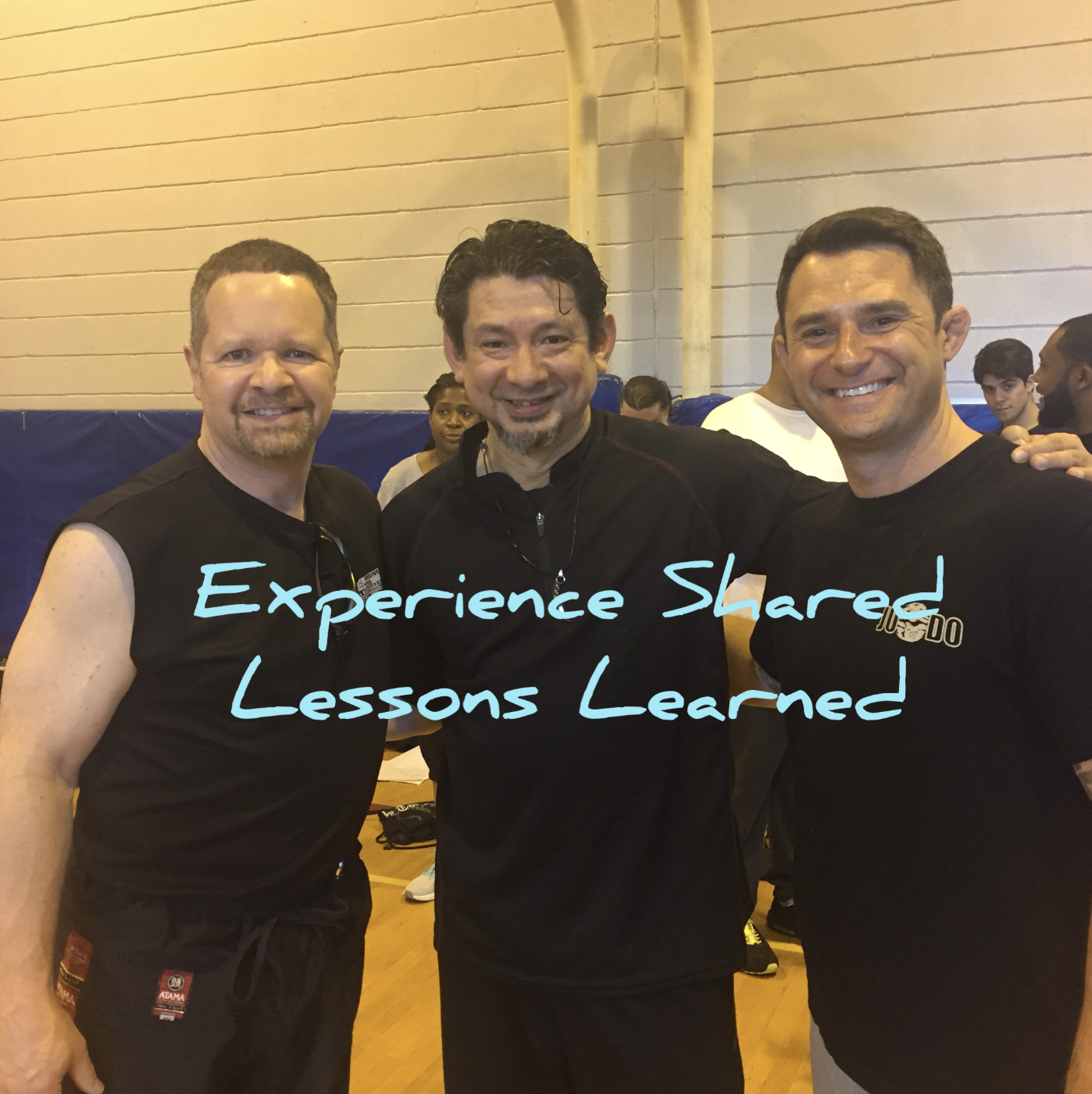
In 1999, Al Tracy created the first Gathering of Eagles, an event built around the concept of bringing together the many branches and traditions connected to the larger Kenpo family.
The objective was greater than simply conducting another martial arts seminar.
The Gathering of Eagles sought to bring together practitioners representing Kenpo, Kajukenbo, Shoot-Fighting, and the numerous systems and branches that had developed from the broader Kenpo lineage.
The emphasis was on unity, history, knowledge, and mutual respect.
It was at this historic event that James Ibrao was introduced to the broader Tracy's Kenpo community.
Many who attended that first Gathering of Eagles may remember the extraordinary atmosphere surrounding the event — martial artists from different backgrounds and systems coming together and showing respect for one another regardless of style, organization, or lineage.
That philosophy remains important today.
Understanding the history of Tracy's Kenpo requires recognizing the contributions of the many individuals whose knowledge, experimentation, and dedication helped shape the system.
Preserving the Legacy
Sources
James Wing Woo — Chinese Martial Arts Association
https://jameswingwoo.com/about-sifu-woo/
Grandmaster James Ibrao — Jun Bao Gung Fu
https://junbaogungfu.com/grandmaster-james-ibrao/
Tracy's Kenpo Historical Material
https://tracykarate.com/will-and-micheal-tracys-story/
Kenpo Forms Historical Discussion — Kidokwan
https://www.kidokwan.org/kenpo-karate/the-history-origins-of-the-kenpo-katas-aka-sets-or-forms/
It is critical that we recognize and preserve the true history of Tracy's Kenpo and the individuals who contributed to its development.
For more than five decades, Tracy's Kenpo has influenced tens of thousands of martial arts practitioners, instructors, and students.
The system did not develop in isolation.
It grew from a remarkable period of martial arts history in which individuals such as Al Tracy, Jim Tracy, Ed Parker, James Ibrao, James Wing Woo, and many others studied, taught, experimented, exchanged knowledge, and carried that knowledge forward.
The story of James Ibrao and James Wing Woo is an important part of that larger history.
Their relationship demonstrates how knowledge can pass from one tradition to another and how individual martial artists can become bridges between systems, generations, and cultures.
We owe these pioneers a tremendous debt of gratitude.
The best way to honor that debt is to preserve their history accurately, recognize their contributions, and continue building and teaching the Tracy's Kenpo system for future generations.
"Preserve the system, teach it clearly, and prepare the next generation to carry it forward."
— Gary Gione, InstructorTRAINING WITH KENPO LEGACY
Tracy’s Kenpo follows a structured belt progression, building on foundational techniques as your skills and understanding develop.
The Discover the Art membership combines video lessons organized by belt with live group instruction from Gary Gione. Each technique includes two videos: a demonstration followed by Gary’s explanation, so you can revisit the lessons and practice at your own pace.
Gary also offers one-on-one, in-person private instruction for a more personalized approach to training.
Explore each belt to see the techniques, fundamentals and skills you’ll learn at that level.
-
Build the foundation for Tracy’s Kenpo through direct responses to common punches, grabs, chokes, and an overhead club attack. This opening level introduces essential blocking, stepping, striking, kicking, releasing, and control movements.
Training includes: Basic inward and outward blocks, hand strikes, front and back kicks, wrist releases, shoulder-grab defenses, choke defenses, and introductory weapon awareness.
-
Expand your foundation with a wider range of close-contact defenses and more varied attack positions. Training addresses chokes, bearhugs, headlocks, wrist and shoulder grabs, tackles, kicks, and situations involving more than one opponent.
Training includes: Escapes from holds, elbow and knee strikes, stance changes, directional footwork, leverage, counter-grabs, tackle defenses, and early multi-opponent awareness.
-
Develop stronger coordination as defenses become longer and more adaptable. This level combines responses to punches, chokes, grabs, bearhugs, tackles, club attacks, seated attacks, and two-person situations.
Training includes: Combination striking, joint control, takedowns, directional changes, coordinated hand and foot movement, close-range defense, and responses from less familiar positions.
-
Add more movement, timing, and control to your defense. Blue Belt training covers pushes, grabs, chokes, kicks, club attacks, hammerlocks, and attacks that begin from the side or from restricted positions.
Training includes: Locks and releases, kicking counters, sweeps, stance transitions, close-range striking, positional recovery, and defenses that connect multiple movements into one continuous response.
-
Learn to manage combinations, changing angles, and more complex positioning. This level includes punch and kick combinations, caught kicks, side attacks, and several scenarios involving two opponents.
Training includes: Flowing transitions, angle changes, coordinated striking, sweeps, recovery after disrupted balance, multi-opponent positioning, and longer combinations that require control and continuity.
-
Advance into more demanding responses that require sharper timing, precision, and adaptability. Training includes punches from varied angles, takedowns, ground-related situations, club attacks, and gun-related scenarios.
Training includes: Advanced footwork, sweeps, takedowns, directional striking, ground recovery, multiple response options, and controlled practice for weapon-related situations.
-
Broaden your ability to respond to combinations, weapons, and rapidly changing positions. This level includes knife, gun, and club scenarios alongside punches, pushes, grabs, kicks, and front-and-back attacks.
Training includes: Advanced weapon-related responses, locks, takedowns, evasive movement, combination defense, angle control, and transitions between close-range and longer-range movement.
-
Refine complex combinations and learn to work through pressure, restricted movement, and fast changes in direction. Training covers kick-punch sequences, side attacks, chokes, pushes, grabs, clubs, knives, and a wall-constrained scenario.
Training includes: Rapid combinations, reversals, advanced joint control, sophisticated footwork, close-range striking, weapon-related responses, and adapting a technique when position or distance changes.
-
Integrate the principles developed throughout the curriculum into advanced, adaptable responses. This level includes combination punches, side attacks, grabs, chokes, a caught kick, wall pressure, multiple attackers, and knife, club, and gun scenarios.
Training includes: Integrated movement, advanced control and striking, takedowns, multi-opponent awareness, weapon-related responses, variations, and selecting an effective response as the situation changes.
YOUR Instructor, A KENPO LEGEND
GARY GIONE
GARY GIONE
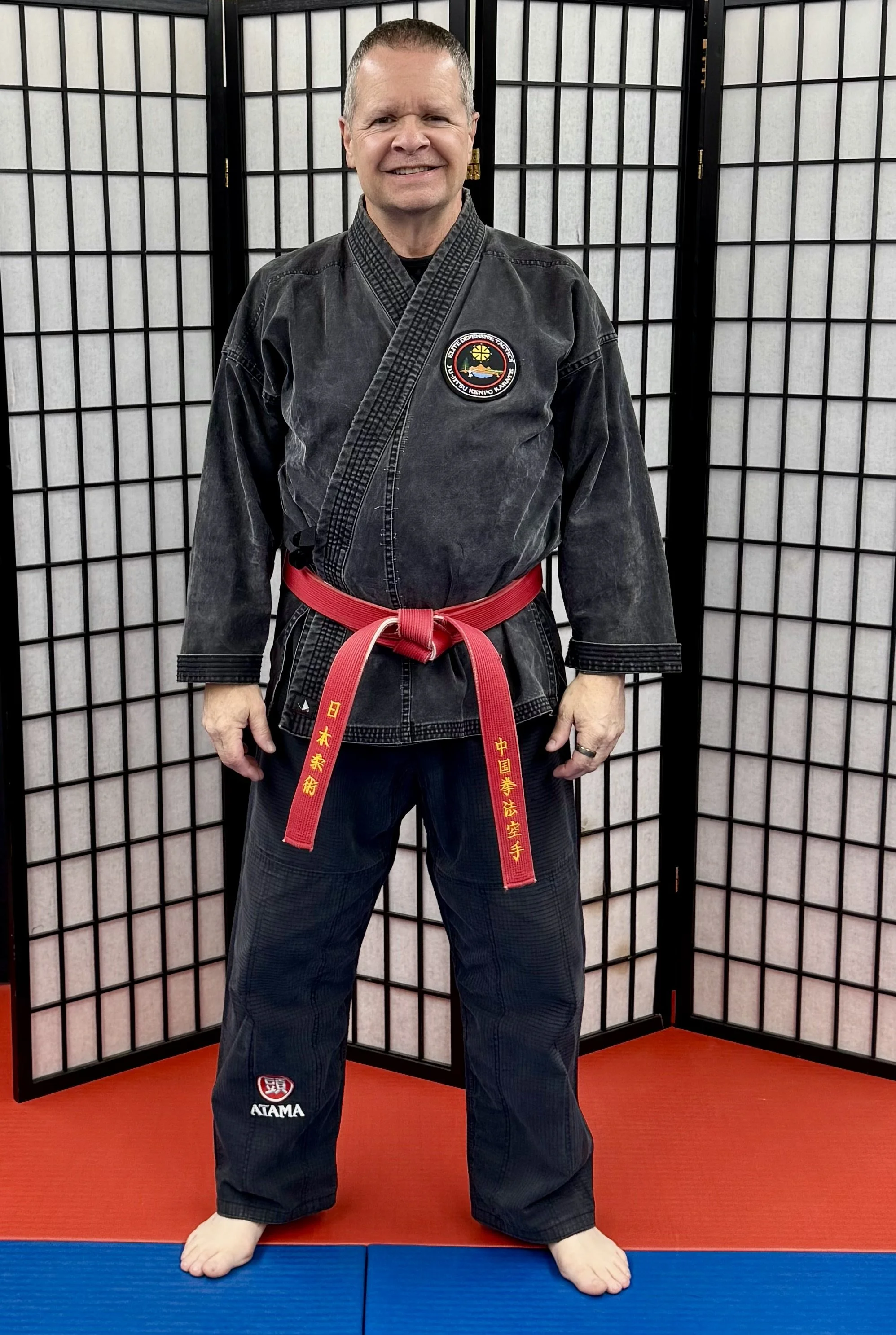
Gary Gione brings decades of martial arts study and instruction to Tracy’s Kenpo Legacy. Awarded a 10th Degree Red Belt in Tracy’s Kenpo by Al Tracy, he also holds senior credentials across several martial arts.
He served 20 years with the NYPD and founded Elite Defensive Tactics Martial Arts Academy in 1995. Today, he leads the Discover the Art video lessons and live group classes.
10th Degree Red Belt, Tracy’s Kenpo
10th Degree Golden Dragon, Kung Fu
9th Degree in Japanese Jujitsu
also guiding the KENPO legacy
Instructor
Roy Abramowitz
7th Degree Black Belt in Tracy’s Kenpo and two-time national champion.
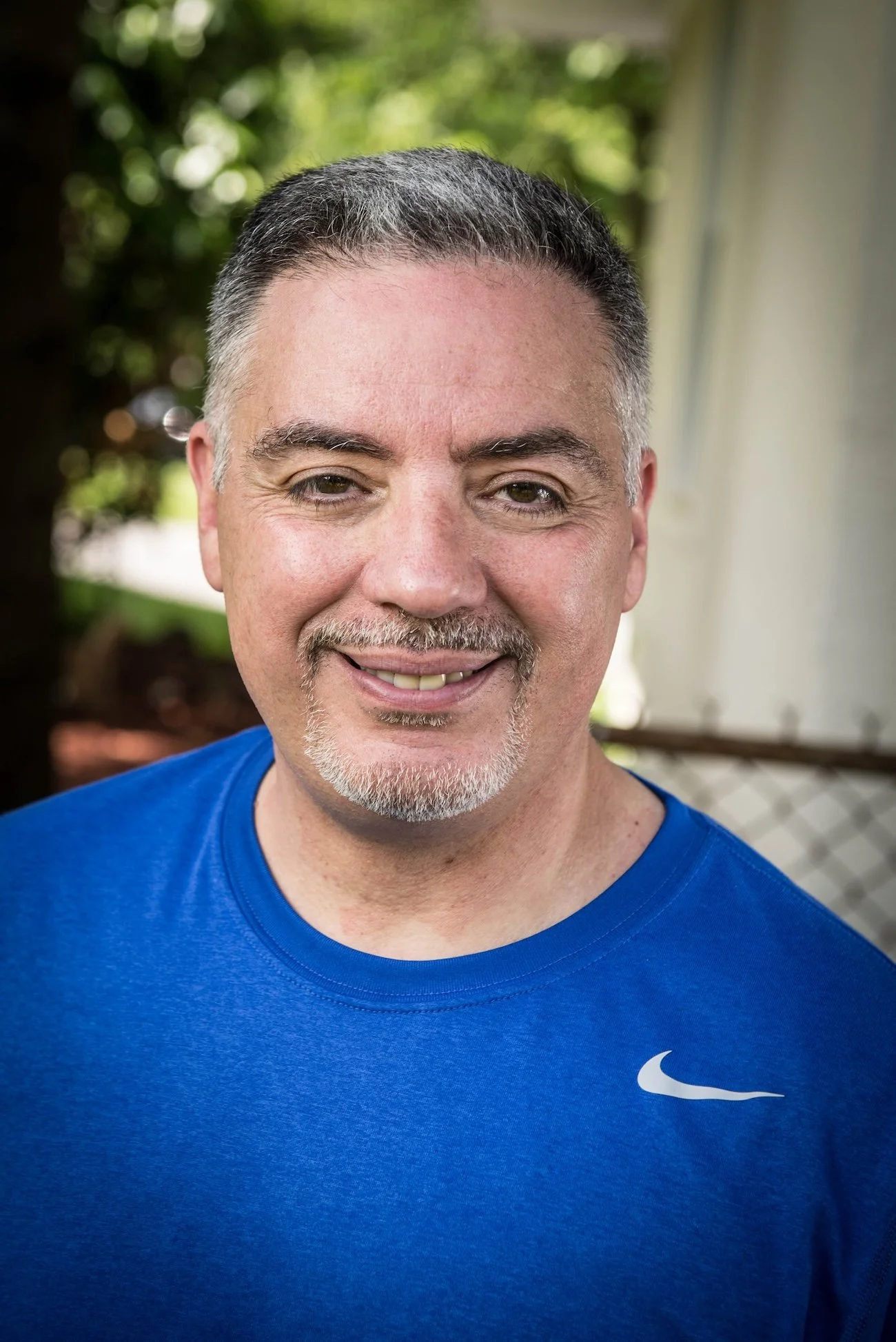
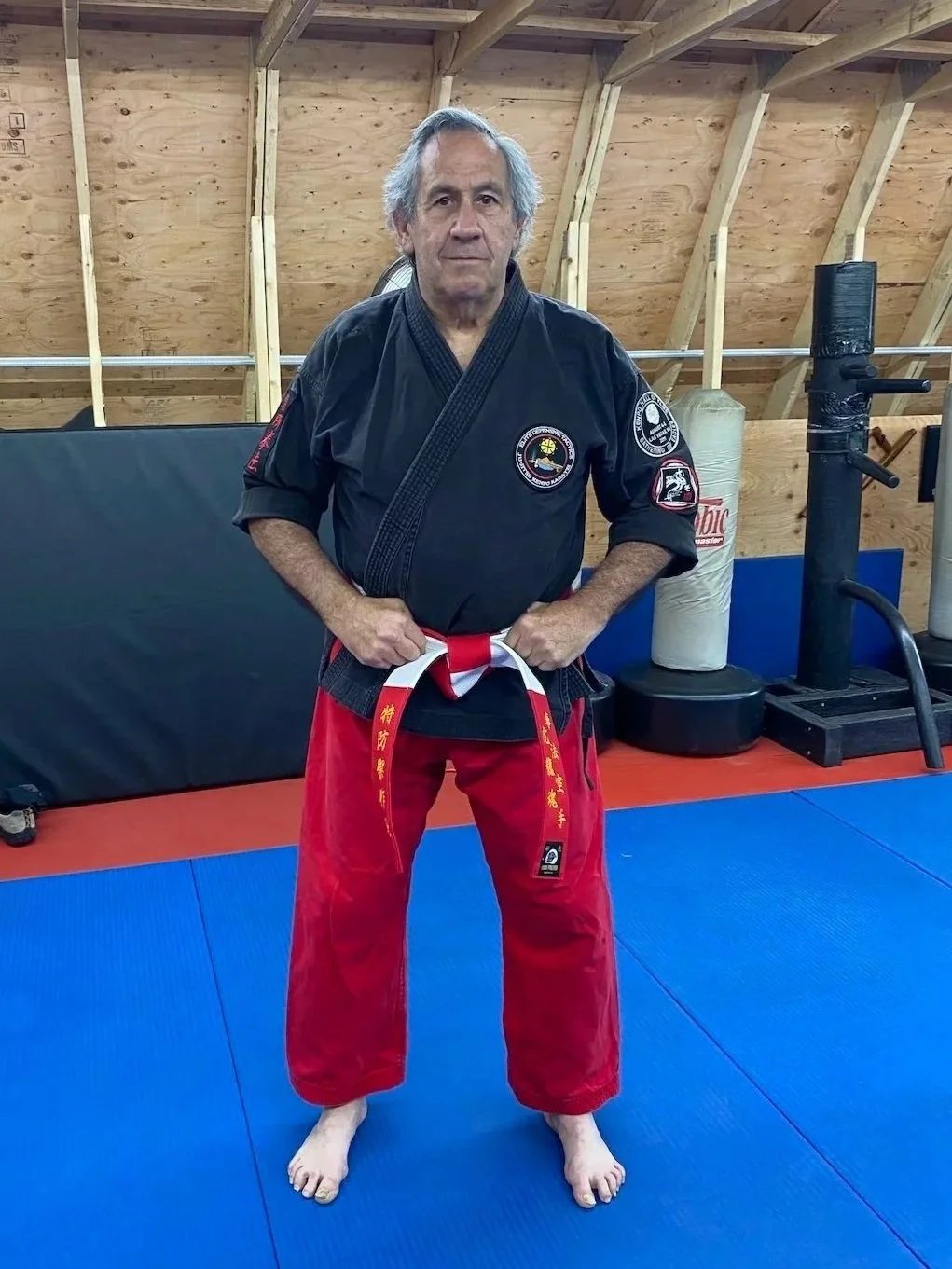
Jimmy Onorato
Instructor
8th Degree Black Belt with more than 50 years of martial arts study, including the internal Chinese arts.
Ready to JOIN THE LEGACY?
Join The Newsletter
Get new training releases, articles, instructor insights, course announcements, and updates from Tracy’s Kenpo.