
Tracy’s kenpo: more than techniques
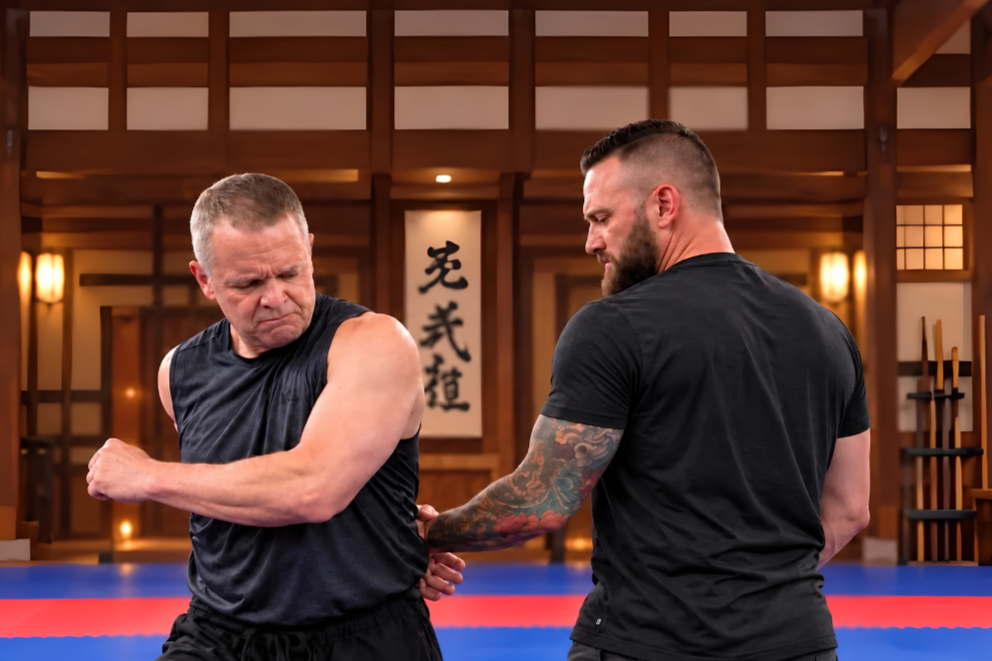
One of the first things a new student notices about Tracy’s Kenpo is the number of self-defense techniques in the system.
At first, this can seem overwhelming.
Why learn so many different responses?
The answer becomes clearer as you progress.
The techniques are not simply a collection of movements to memorize. Each one teaches principles: distance, angle, timing, balance, body mechanics, striking, blocking, checking, footwork and control.
A beginning student may concentrate on remembering which hand goes where. An experienced practitioner begins asking different questions:
Why am I standing at this angle?
Why does this strike come before the next one?
Where is my opponent’s balance? What happens if the attack changes?
That is where Kenpo begins to open up.
The technique becomes a laboratory.
You learn the prescribed movement first, then begin understanding the principles underneath it.
This is one reason preserving the original Tracy’s Kenpo curriculum is important.
Before we modify a technique, add an interpretation or create an alternative, we should understand what the original
movement was designed to teach.
Understand the principle.
Then make the Kenpo your own.